Recycling the Unrecyclable

Transforming difficult waste streams into scalable industrial materials

Why Conventional Recycling Fails

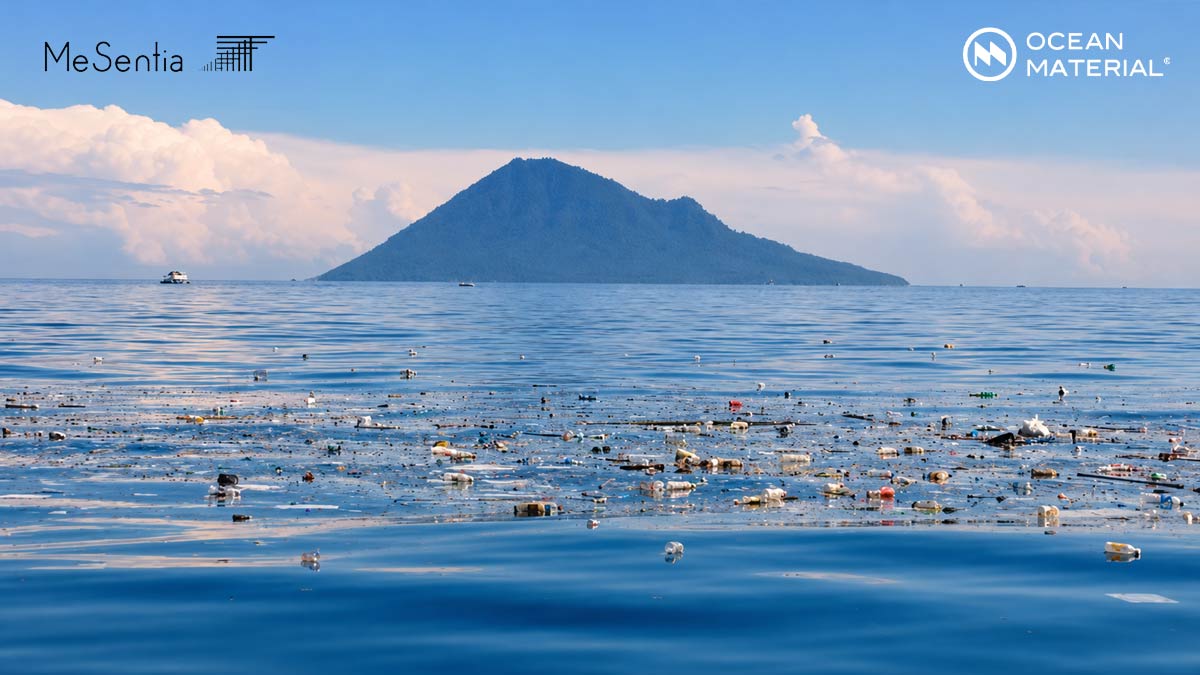
Conventional plastic recycling works only when materials are clean, sorted and valuable enough to justify collection and processing. Many coastal, industrial and low-value plastic streams do not meet that reality: they are mixed, contaminated, degraded or economically unattractive.

That is why they are often incinerated, landfilled or left outside circular systems entirely. If they leak into the environment, there is usually no market incentive to recover them.
The Technology

Developed together with MeSentia AG & Inspire AG (ETH ecosystem).

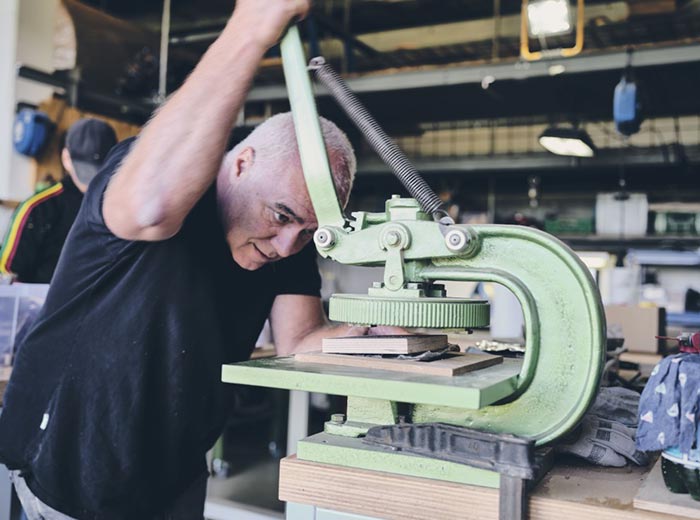
W2P (Waste-to-Product) refers to Ocean Material’s process of converting complex plastic residue streams directly into industrial fibre-composite products without conventional re-pelletizing or high-energy remelting processes.

Contamination tolerant

Minimal sorting & washing

No conventional extrusion

No re-pelletizing

Decentralised low-energy processing

Fibre-composite lightweight structures

The Plastic Waste No One Wants – Until Now

Turning difficult waste streams into cost-efficient industrial materials

Converting complex plastic residue streams directly into industrial fibre-composite products
This is technology with purpose.

Output Material

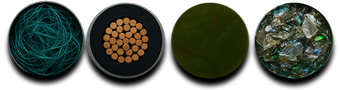
Circular fibre-composite lightweight material.

W2P (Waste-to-Product) refers to Ocean Material’s process of converting complex plastic residue streams directly into industrial fibre-composite products without conventional re-pelletizing or high-energy remelting processes.

Applications

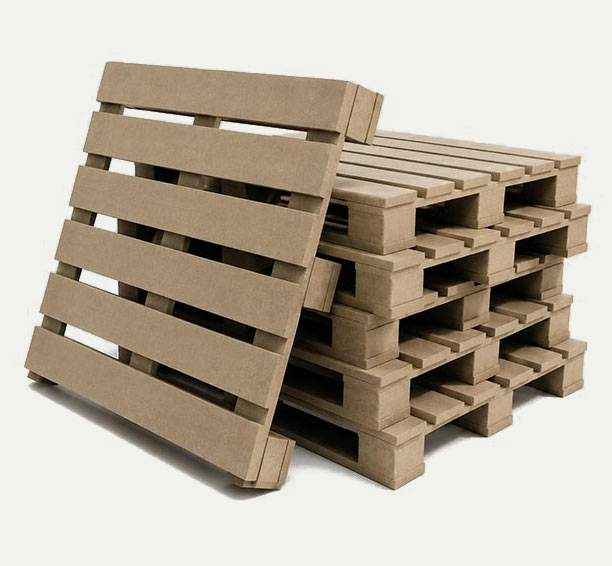
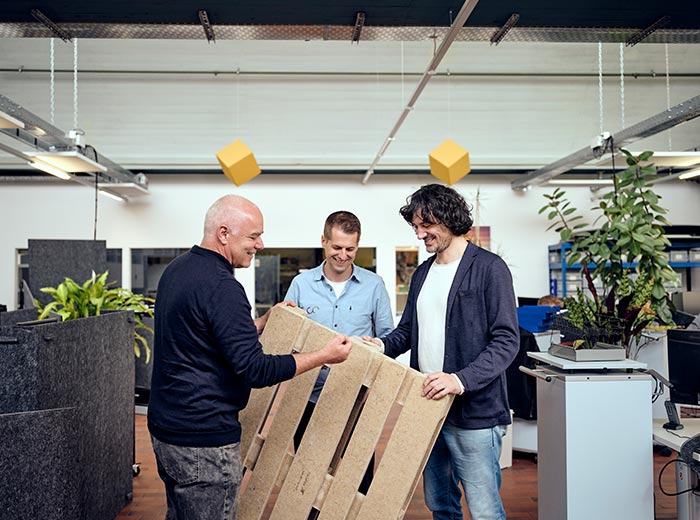
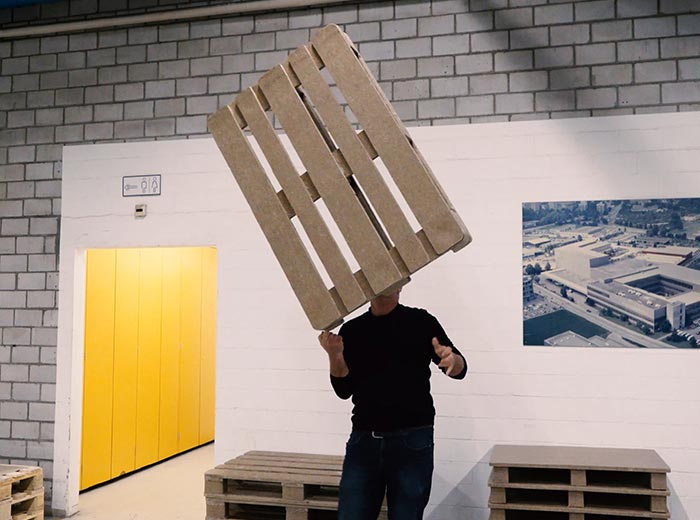
W2P Pallets

W2P Pallets

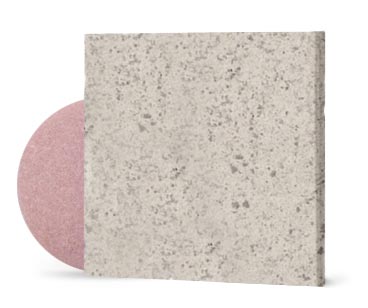
Panels

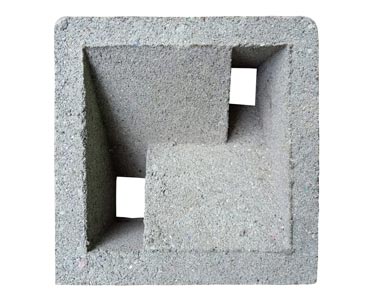
Building elements

Building elements

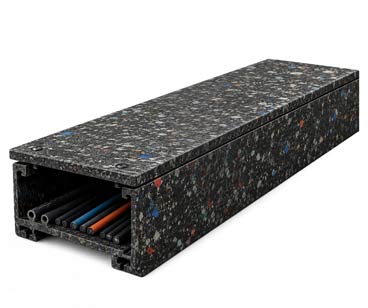
Industrial components

Industrial components

Lead Use Case 2026

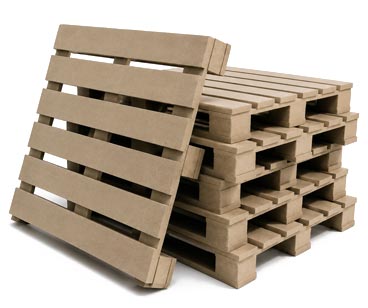
W2P Pallets

Built for modern sustainable logistics, W2P pallets deliver optimized strength-to-weight performance with measurable reductions in energy use, CO₂ emissions, and total manufacturing cost.

20% Cheaper
50% Lighter
10X lower energy use
and CO₂
W2P Pallets

Why Industry Partners Choose W2P

Reduces dependency on virgin materials

Solves difficult internal waste streams

Enables traceable circular manufacturing

Supports upcoming ESG regulations

Lightweight and durable industrial applications

Structurally lower feedstock costs

Frequently Asked Questions

Clear, technical insights into sourcing, traceability, and performance of Ocean Material® circular materials.

Coastal Residue Streams (CRS) are low-value, often mixed and contaminated waste materials collected from coastal and ocean-bound environments. These typically include discarded plastics, fishing nets, textiles, and other debris that are difficult to recycle conventionally and are at risk of entering the ocean ecosystem.

OM technology can process complex, mixed, and contaminated plastic waste streams that conventional mechanical recycling cannot handle effectively. Instead of relying only on sorting, washing, and remelting uniform plastics, it converts difficult waste into higher-value materials and products such as panels and industrial components for multiple sectors.

The OM process does not primarily rely on traditional extrusion as the core conversion method. It is designed to directly transform waste streams into usable materials and products, though outputs can still be adapted for extrusion-based applications when needed.

The process can reduce energy consumption by up to around 90% compared to producing virgin plastics, along with significantly lower CO₂ emissions depending on material type and application.

The technology can be deployed in decentralized facilities near coastal or industrial waste sources. It is suitable for global implementation, especially in regions dealing with marine plastic pollution, enabling local processing and circular material production.

TOP
×

GET SAMPLE