

10 Plastic Pollution in the Ocean Facts You Need to Know
Saturday, 22 January 2022
BY LUCI ELLIS | EARTH.ORG | Dec 12TH 2021 | 6 MINS 10 Plastic Pollution in the Ocean Facts Plastic is cheap, versatile and extremely durable, which makes it a great material for many different things and why it has become such an essential part of our daily lives. However, our reliance on this material
- Published in Ocean & Waste Systems

Problems Plastic Pollution Creates for Wildlife in the Ocean
Wednesday, 19 January 2022
BY CHLOE WONG | EARTH.ORG | JAN 19TH 2022 | 4 MINS Problems Plastic Pollution Creates for Wildlife in the Ocean Plastic is everywhere in our lives – it is in water bottles, phones, cars, glasses, shoes and much more. But the world has been recklessly discarding plastic after use, where in 2020, 11 million
- Published in Ocean & Waste Systems

Using NASA Technology to Detect Ocean Plastic
Saturday, 15 January 2022
BY JANGIRA LEWIS | EARTH.ORG | SEP 10ST 2021 | 3 MINS Using NASA Technology to Detect Ocean Plastic NASA technology primarily used for analysing wind speeds for hurricanes can now be used to detect the amount of ocean plastic. This new method has been particularly effective in tracking how the microplastics move, where they tend to collect,
- Published in Ocean & Waste Systems
What is the Great Garbage Patch?
Monday, 08 November 2021
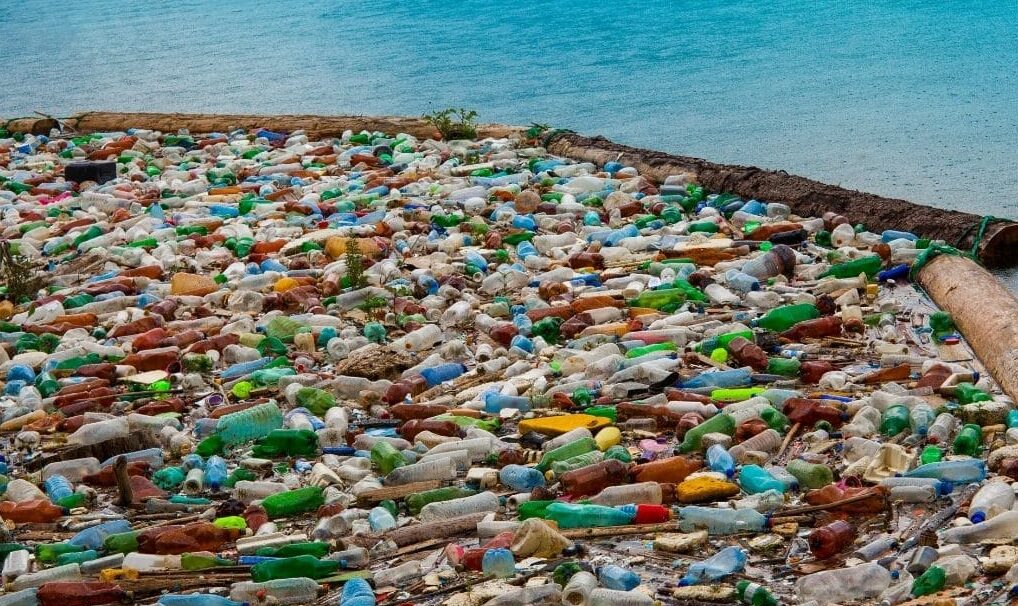
BY EARTH.ORG | EARTH.ORG | SEP 17TH 2021 | 4 MINS What is the Great Garbage Patch? The Great Garbage Patch, also known as the Great Pacific Garbage Patch, is a colossal collection of marine plastic waste and debris located in the North Pacific Ocean, and is formed by the North Pacific Subtropical Gyre. —
- Published in Ocean & Waste Systems

No Oceans No Future
Monday, 01 November 2021
OCEAN MATERIAL | NOV 1ST 2021 | 2 MIN No Oceans No Future Ocean plastic pollution has become a major threat to our ocean which are the most important ecosystem on our planet. Over 8 million tons of plastic end up in our ocean every year with an estimated total of 150 million tons currently
- Published in Impact & Education

Our strategy
Thursday, 28 October 2021
OCEAN MATERIAL | OCT 28TH 2021 | 2 MIN Our Vision: Plastic-Free Oceans Our team at the Ocean Material® Group has made cleaner oceans its business. A group of business professionals from very different walks of life found their common ground in doing business for the greater good. Our strategy is to connect and work
- Published in Impact & Education

NET ZERO EMISSIONS: MOVING TOWARDS CLIMATE POSITIVE
Tuesday, 17 August 2021
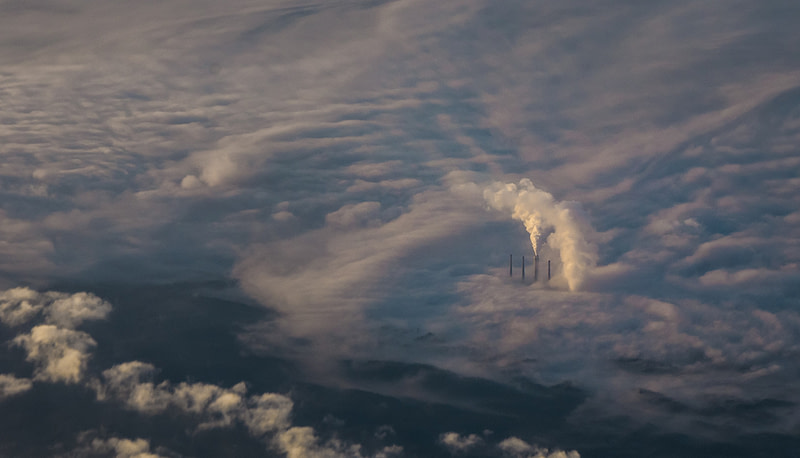
BY ROBERT ATKINSON | OCEAN MATERIAL | AUG 13th 2021 | 6 MINS NET ZERO EMISSIONS: MOVING TOWARDS CLIMATE POSITIVE This is the second of a two-part post on achieving net zero carbon emissions and moving towards a climate positive status, when an organization’s activity actually removes carbon dioxide from the atmosphere. In Part 1 we considered the strategies
- Published in Policy & Industry
Climate Positive: Strategies and Leadership
Friday, 13 August 2021
BY ROBERT ATKINSON | OCEAN MATERIAL | AUG 13TH 2021 | 7 MINS Climate Positive: Strategies and Leadership Background This century has seen an earth that is rapidly heating. The causes are attributed to human activity and some natural variability, but the weight of evidence points to a warming activity resulting from excess man-made CO2 entering the
- Published in Policy & Industry

Where does the plastic in our oceans come from?
Saturday, 01 May 2021
BY HANNAH RITCHIE | OURWORLDINDATA.ORG | MAY 01ST 2021 | 10 MINS Where does the plastic in our oceans come from? Summary 80% of the world’s ocean plastics enter the ocean via rivers and coastlines. The other 20% come from marine sources such as fishing nets, ropes, and fleets. To tackle plastic pollution we need
- Published in Ocean & Waste Systems

Migration of Marine Species
Wednesday, 14 April 2021
BY EARTH.ORG | EARTH.ORG | APR 14TH 2021 | 3 MINS Migration of Marine Species from the Equator to Cooler Waters The number of marine species natural tapers off as you head towards the poles. Ecologists have assumed that this global pattern has remained stable over recent centuries, but a new study has found that the ocean
- Published in Ocean & Waste Systems