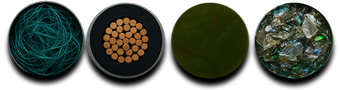

Blue Carbon
Wednesday, 31 January 2024
OCEAN MATERIAL | AUG 31ST 2024 | 3 MINS The Significance of Blue Carbon: A Vital Ally in Combating Climate Change Blue Carbon refers to the carbon captured by the world’s ocean and coastal ecosystems. Here, the ocean emerges as a crucial modulator of climatic stability, holding 16 times more carbon than the terrestrial biosphere.
- Published in Ocean & Waste Systems
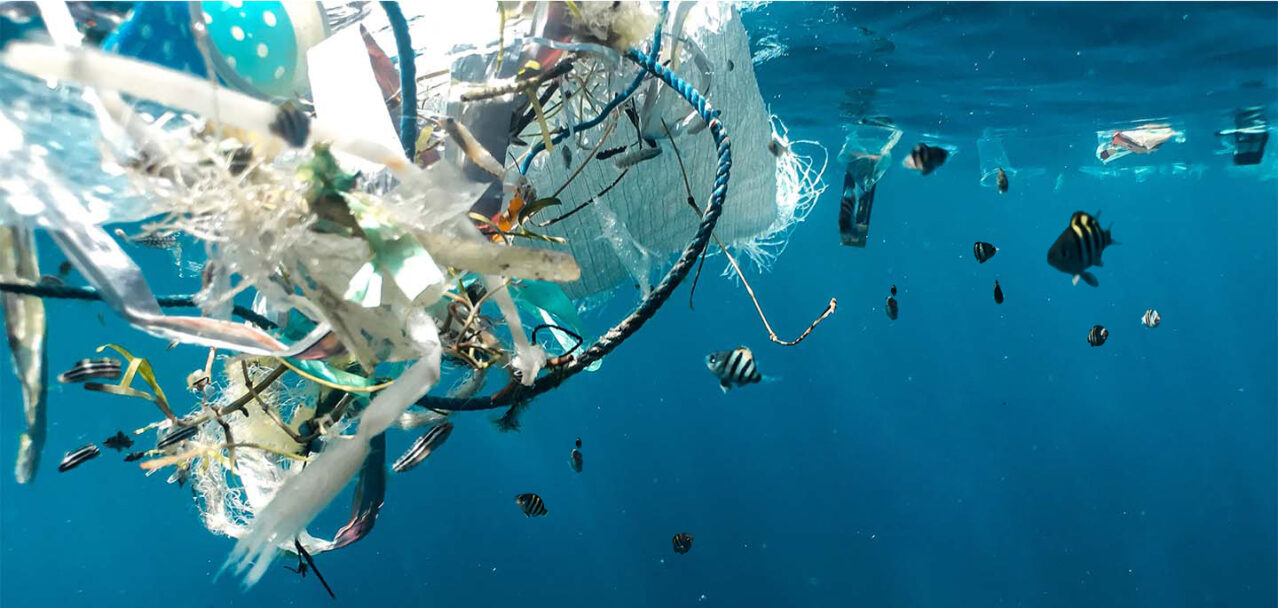
5 Solutions for Tackling Plastic Pollution
Friday, 06 January 2023
BY OCEAN MATERIAL | Jan 1st 2023 | 7 MIN Plastic Pollution Solutions: Tackling One of the Biggest Environmental Challenges Plastic pollution is a major environmental concern that urgently needs to be addressed. In 1950, the world produced 2 million tons of plastic per year, and by 2016, this number had increased to 242 million
- Published in Ocean & Waste Systems
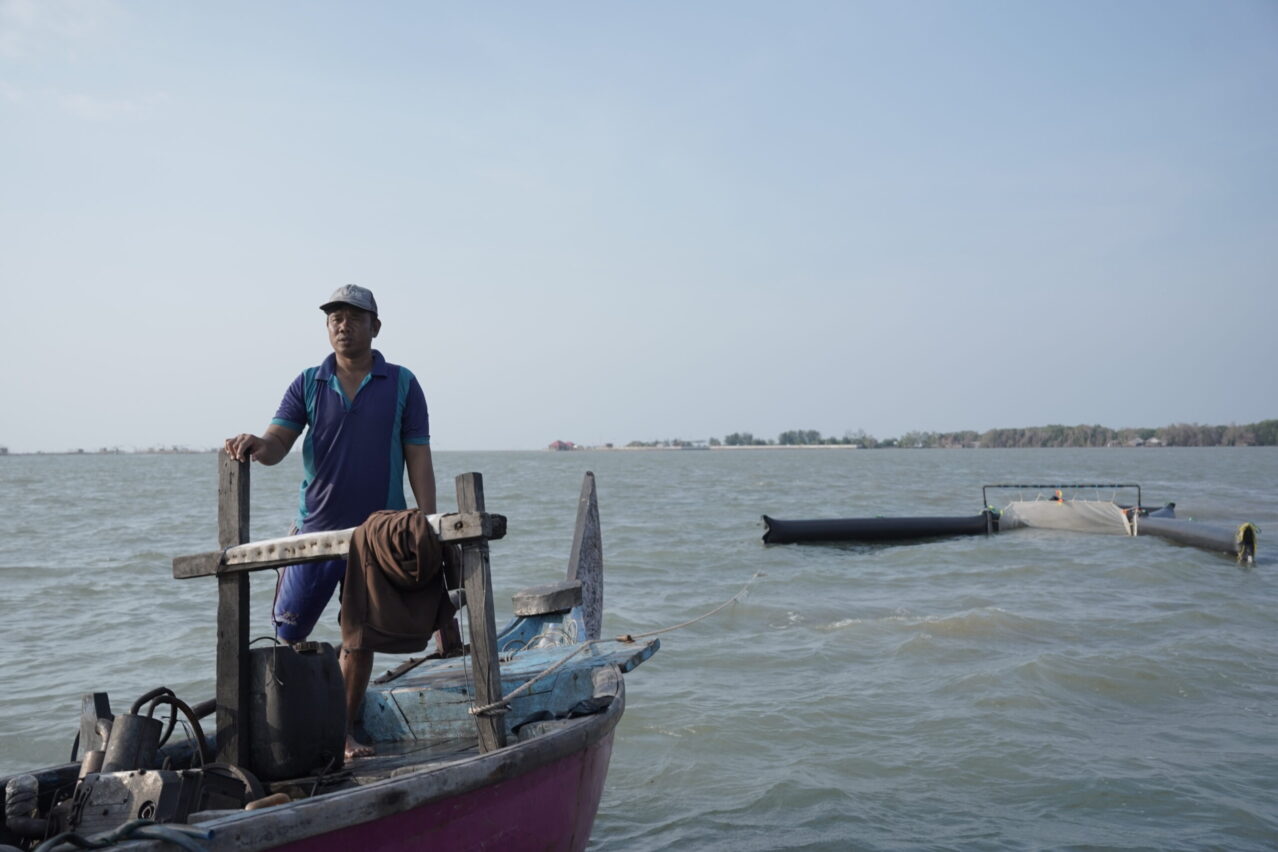
Marine Debris Program – Indonesia
Thursday, 18 August 2022
OCEAN MATERIAL | AUG 18TH 2022 | 5 MIN Ocean Material Plastic Credits: Fighting Ocean Plastic Pollution with Measurable Impact The Marine Debris Program is a chance for any business, regardless of size and industry, to play a vital role in the fight against marine plastic pollution by supporting coastal communities in the most affected
- Published in Ocean & Waste Systems

10 Scientific Solutions to Plastic Pollution
Tuesday, 01 March 2022
OCEAN MATERIAL | MAR 01ST 2022 | 14 MINS 10 Scientific Solutions to Plastic Pollution Plastic pollution is leaving behind impacts for generations to come. If our current rate of pollution continues, experts predict there will be more plastic than fish in the ocean by 2050. It is clear that we urgently need solutions to
- Published in Ocean & Waste Systems

8 Shocking Plastic Pollution Statistics to Know About
Tuesday, 01 March 2022
OCEAN MATERIAL | MAR 1ST 2025 | 15 MIN 8 Plastic Pollution Statistics to Know About Plastics have become ubiquitous in our daily lives thanks to its convenience and low prices. But it comes with a cost; our mistreatment and mismanagement of the material has made it one of the biggest environmental problems of our lifetime. Millions
- Published in Ocean & Waste Systems

10 Plastic Pollution in the Ocean Facts You Need to Know
Saturday, 22 January 2022
BY LUCI ELLIS | EARTH.ORG | Dec 12TH 2021 | 6 MINS 10 Plastic Pollution in the Ocean Facts Plastic is cheap, versatile and extremely durable, which makes it a great material for many different things and why it has become such an essential part of our daily lives. However, our reliance on this material
- Published in Ocean & Waste Systems

Problems Plastic Pollution Creates for Wildlife in the Ocean
Wednesday, 19 January 2022
BY CHLOE WONG | EARTH.ORG | JAN 19TH 2022 | 4 MINS Problems Plastic Pollution Creates for Wildlife in the Ocean Plastic is everywhere in our lives – it is in water bottles, phones, cars, glasses, shoes and much more. But the world has been recklessly discarding plastic after use, where in 2020, 11 million
- Published in Ocean & Waste Systems

Using NASA Technology to Detect Ocean Plastic
Saturday, 15 January 2022
BY JANGIRA LEWIS | EARTH.ORG | SEP 10ST 2021 | 3 MINS Using NASA Technology to Detect Ocean Plastic NASA technology primarily used for analysing wind speeds for hurricanes can now be used to detect the amount of ocean plastic. This new method has been particularly effective in tracking how the microplastics move, where they tend to collect,
- Published in Ocean & Waste Systems
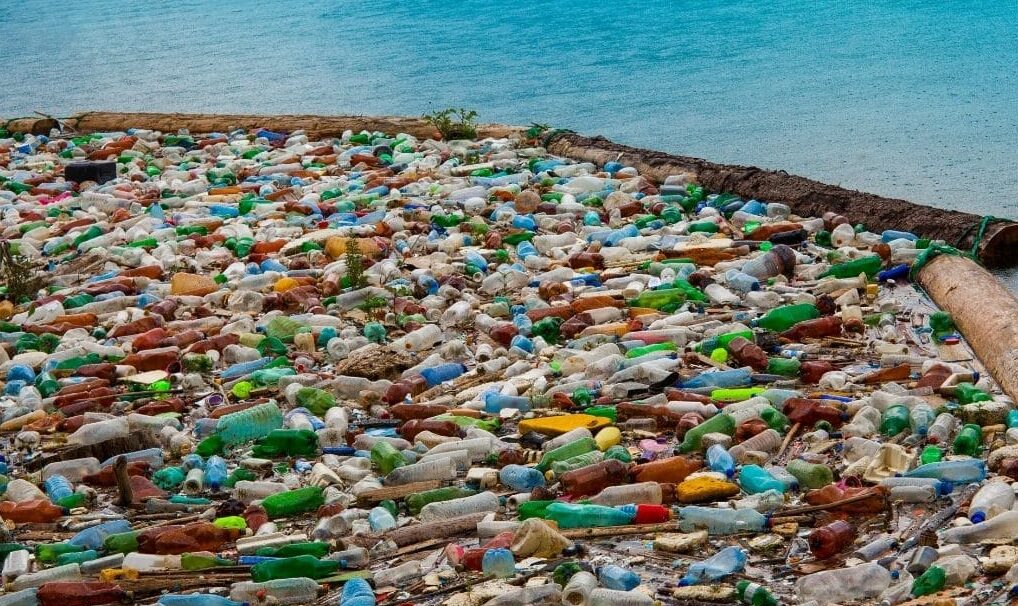
What is the Great Garbage Patch?
Monday, 08 November 2021
BY EARTH.ORG | EARTH.ORG | SEP 17TH 2021 | 4 MINS What is the Great Garbage Patch? The Great Garbage Patch, also known as the Great Pacific Garbage Patch, is a colossal collection of marine plastic waste and debris located in the North Pacific Ocean, and is formed by the North Pacific Subtropical Gyre. —
- Published in Ocean & Waste Systems

Where does the plastic in our oceans come from?
Saturday, 01 May 2021
BY HANNAH RITCHIE | OURWORLDINDATA.ORG | MAY 01ST 2021 | 10 MINS Where does the plastic in our oceans come from? Summary 80% of the world’s ocean plastics enter the ocean via rivers and coastlines. The other 20% come from marine sources such as fishing nets, ropes, and fleets. To tackle plastic pollution we need
- Published in Ocean & Waste Systems
- 1
- 2